
Summary
The automaker also recommends Flash Charging users to report vehicles occupying charging stalls to the police. The post Megawatt Flash Charger disabled with chains in China as BYD vows to crack down on misuse appeared first on CarNewsChina.com .
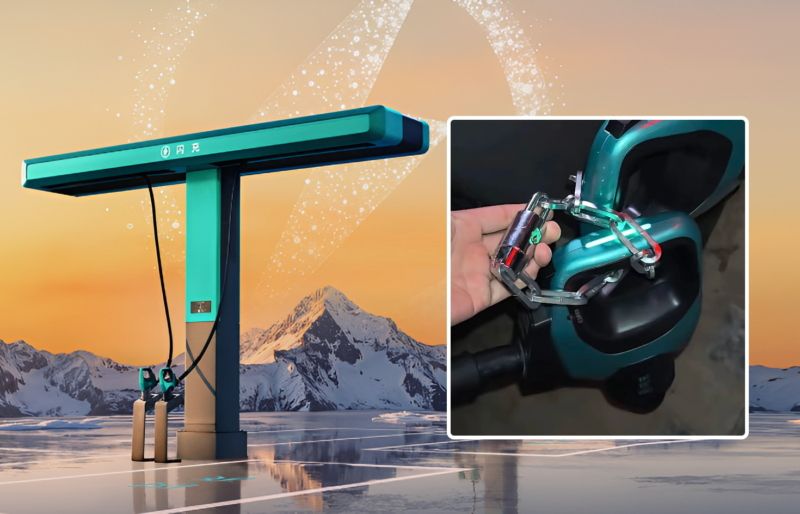
Footage of a BYD Megawatt Flash Charger’s twin plugs locked together with chains is spreading across Chinese social media, with speculation that rival brands or charging networks disabled the station.
BYD has also vowed to crack down on misuse of the Flash Charging network, emphasising the prevention of combustion and non-charging vehicles occupying spaces. This follows reports that children were spotted using BYD’s chargers as a swing earlier this month.
Chained together
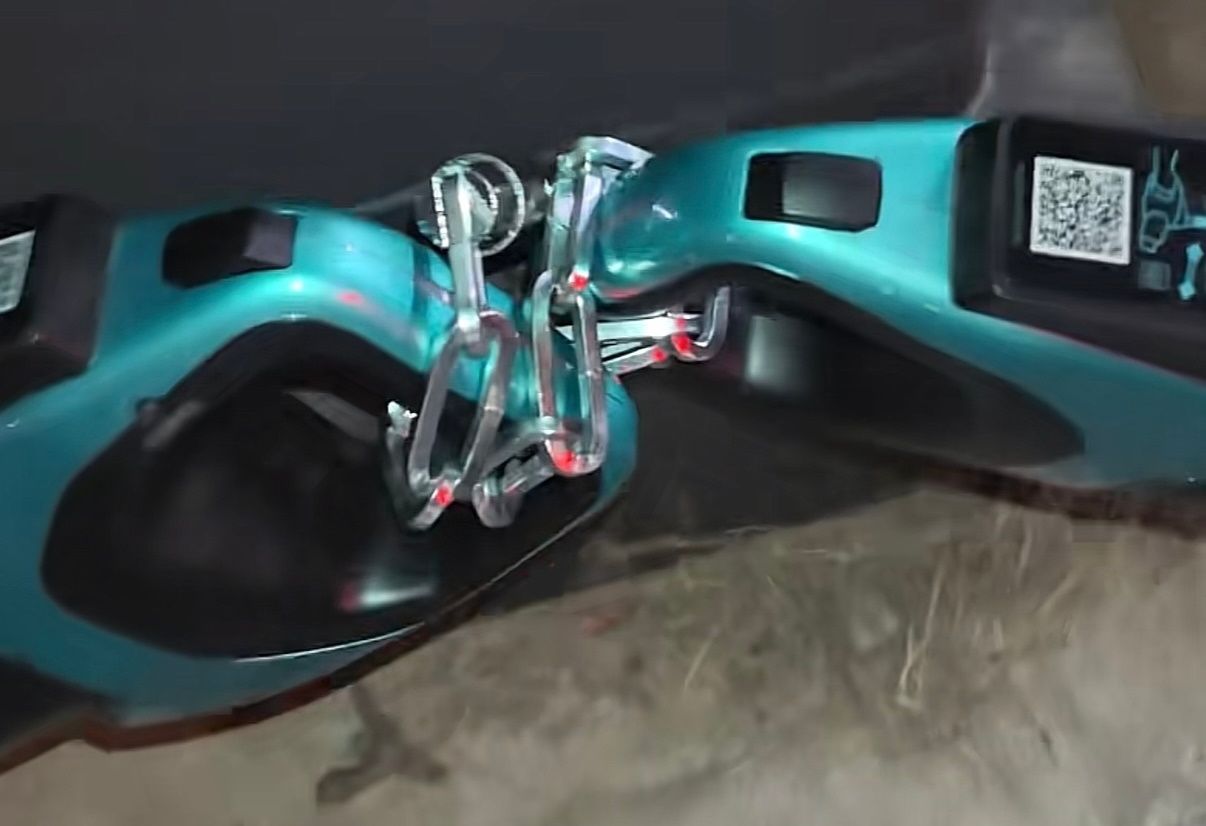
Images show a Flash Charger with both its charging handles bound together with a metal chain. Users would not be able to use the charger as intended, as inserting one plug would cause the other to impact the vehicle. The chain may also damage the car’s bodywork.
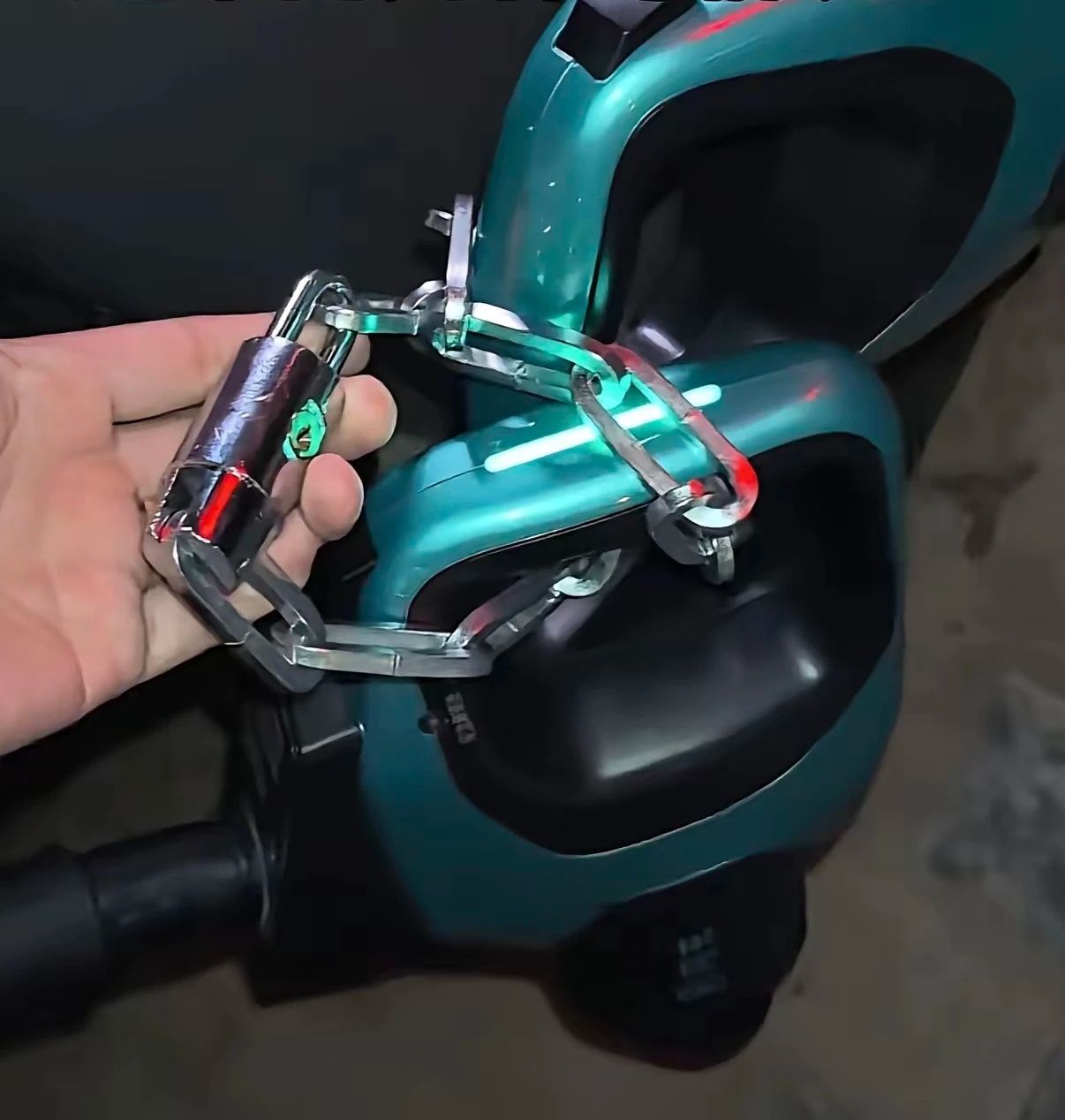
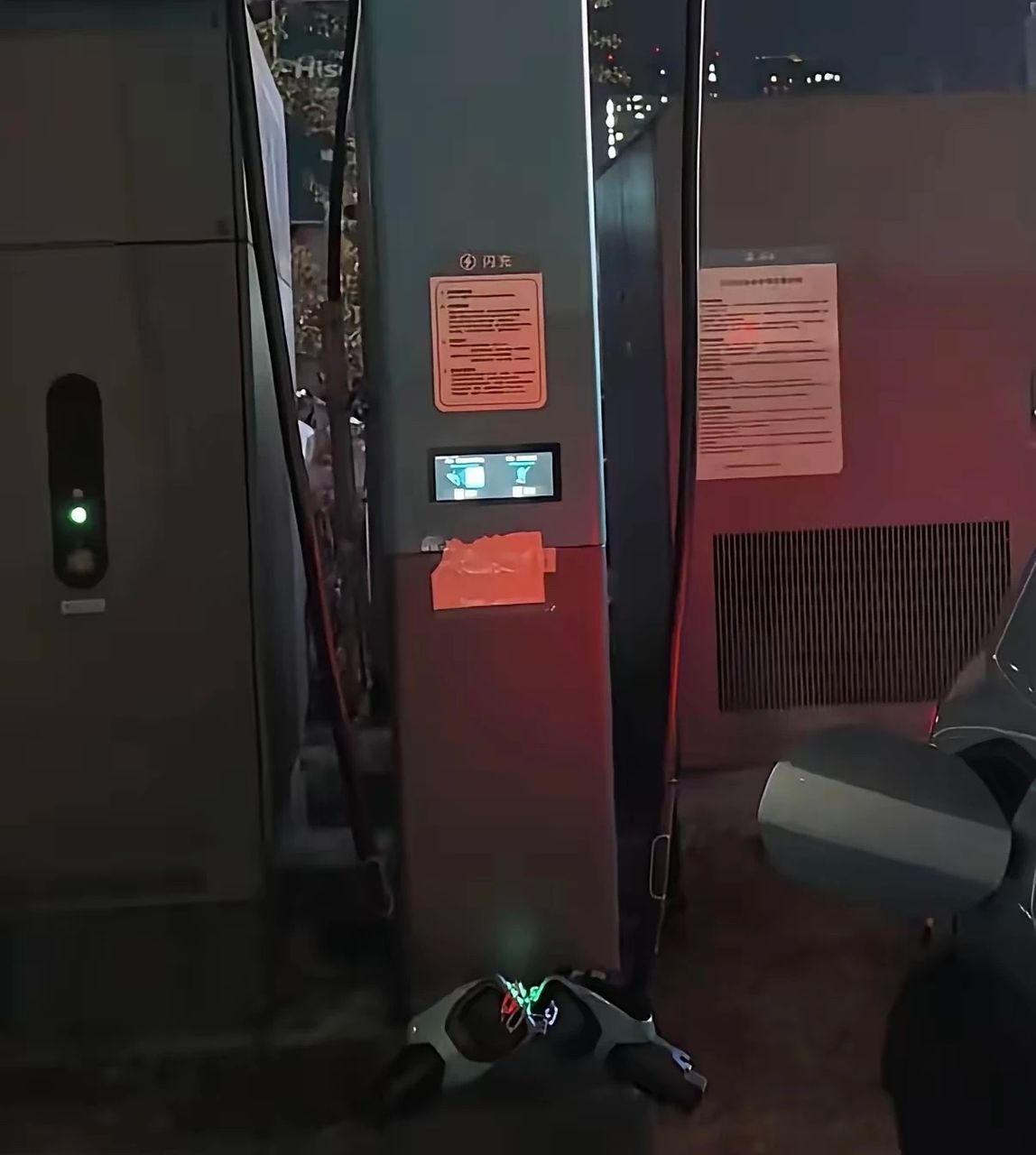
While the station may have been out of order, that doesn’t seem to be the case here. Both handles show a green light, indicating their readiness to connect and charge. The station’s display appears to be working normally, and the charger hasn’t been cordoned off either.
Who’s the culprit?
As of writing, BYD hasn’t responded to this specific incident, and no parties have accepted responsibility. Some Chinese netizens accuse rival automakers of locking the Flash Charger plugs together, though this seems far-fetched and could become a PR nightmare.
A more likely culprit is individual small-scale fast-charging operators, who may feel threatened by BYD’s latest charging push. A significant portion of China’s charging network runs on a franchise model, where franchisees provide land and power and the franchiser supplies hardware and cloud services.
DC fast charging in China runs on razor-thin profit margins, and per-kWh prices outside major cities hover around 1 to 1.5 yuan (0.15 to 0.22 USD), even during peak electricity pricing. Operators have turned to in-app advertising and “one-time charging insurance” to boost earnings.
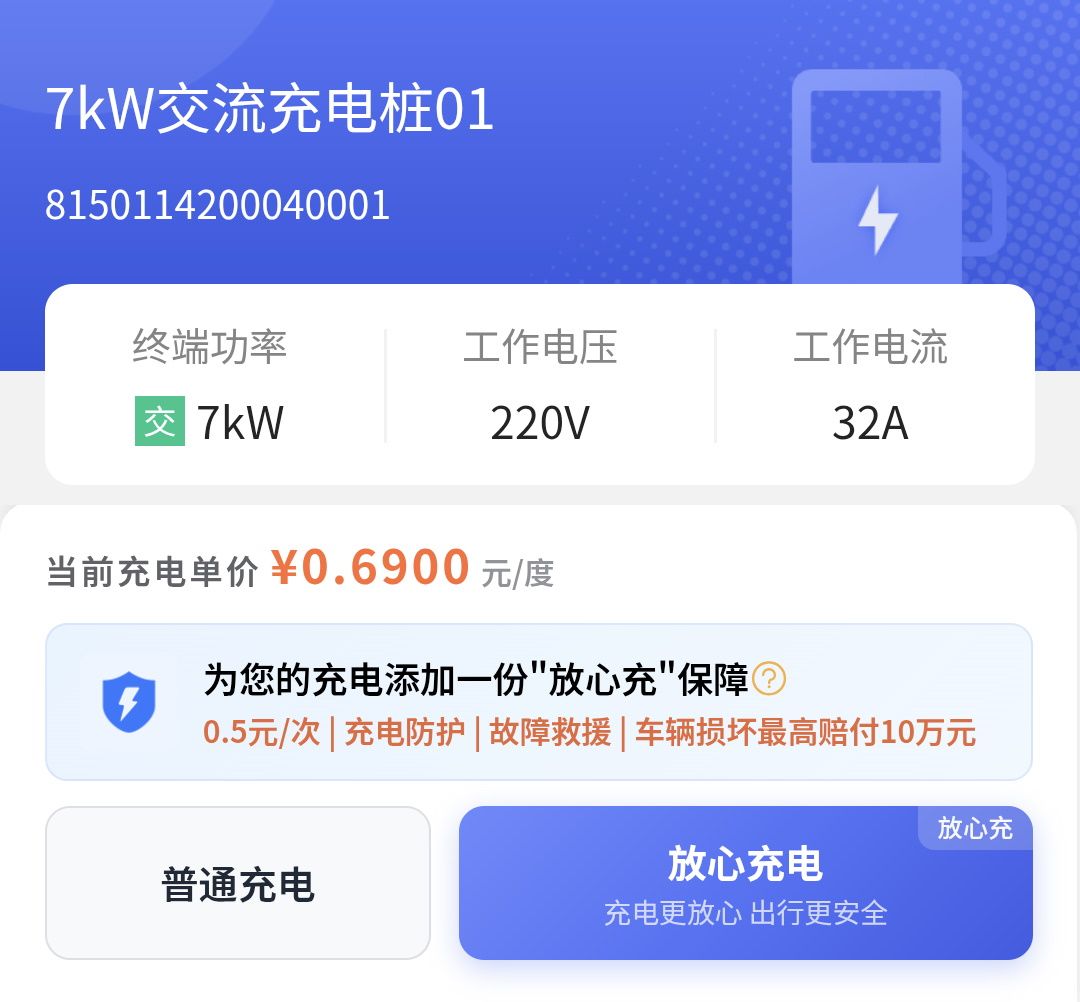
BYD’s Flash Charger can’t speed up charging for older or non-BYD vehicles, but users may still choose its stations for perceived ease of use and “trendiness”.
Better management
BYD has vowed to improve the Flash Charging experience by increasing management efforts and cracking down on misuse. In a user Q&A post on WeChat, the automaker pledged to prevent combustion vehicles from occupying charging spaces, a phenomenon known as “ICEing”.
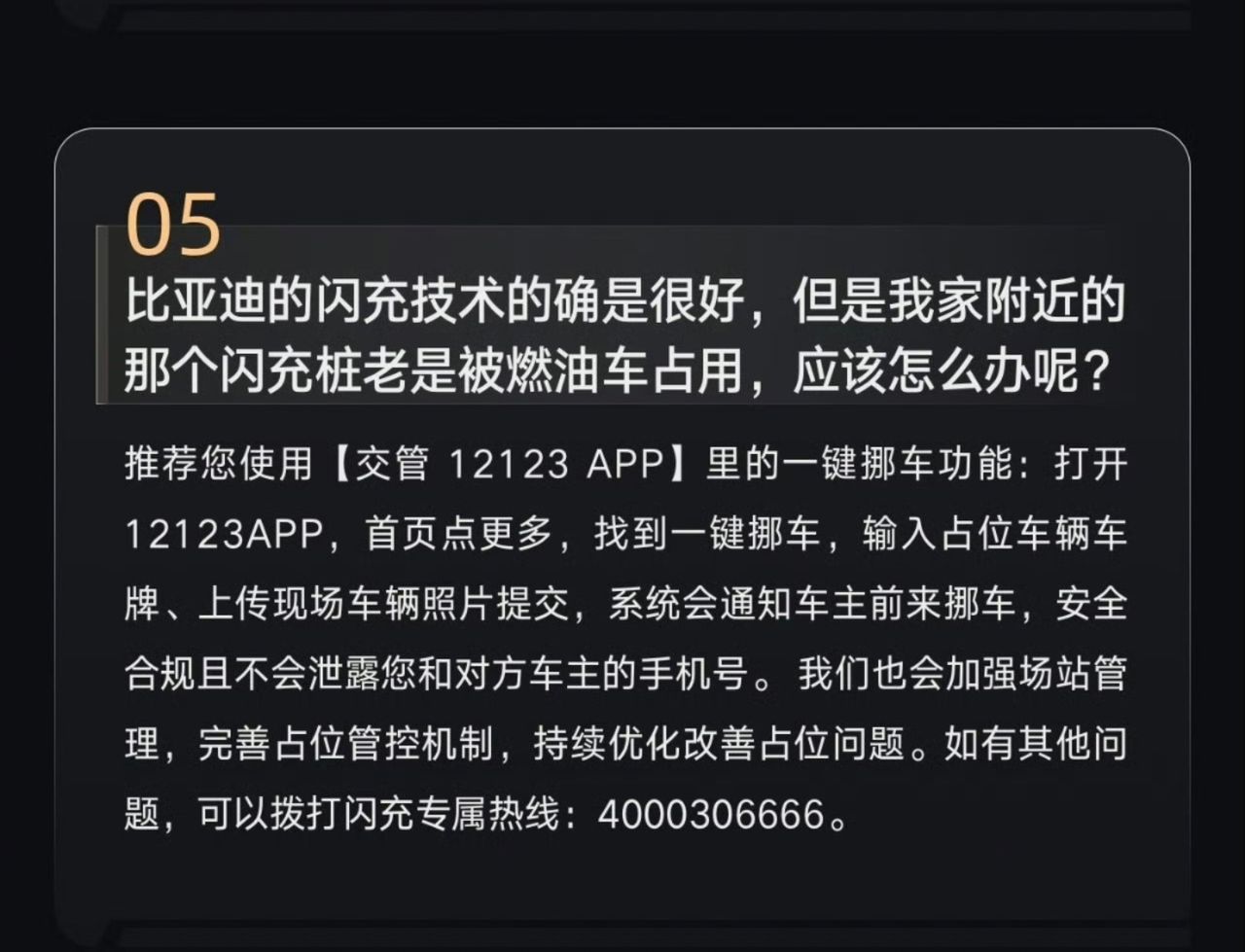
It also recommended that Chinese users rely on local traffic police to remove offending vehicles. China’s official “Traffic Police 12123” mobile app lets users report illegally parked vehicles, and offending drivers receive “friendly reminders” via text before fines kick in.


