
Summary
Following the sunset of federal tax incentives, shopping for the cheapest electr…
Following the sunset of federal tax incentives, shopping for the cheapest electric car in the United States requires focusing on three realistic price points between $29,000 and $37,000.
With the expiration of federal point-of-sale tax credits under IRC § 30D, the window sticker is back to being the true purchase price buyers actually pay. The American market for affordable new EVs has settled around three distinct options: a $28,995 baseline hatchback, a $31,535 extended-range sweet spot, and a $36,795 compact crossover.
Understanding what each step buys in battery hardware and usable space is the most practical way to find the cheapest EV that genuinely fits your daily driving.
Step 1 ($28,995): The 2027 Chevrolet Bolt EV sets America's new entry-level baseline
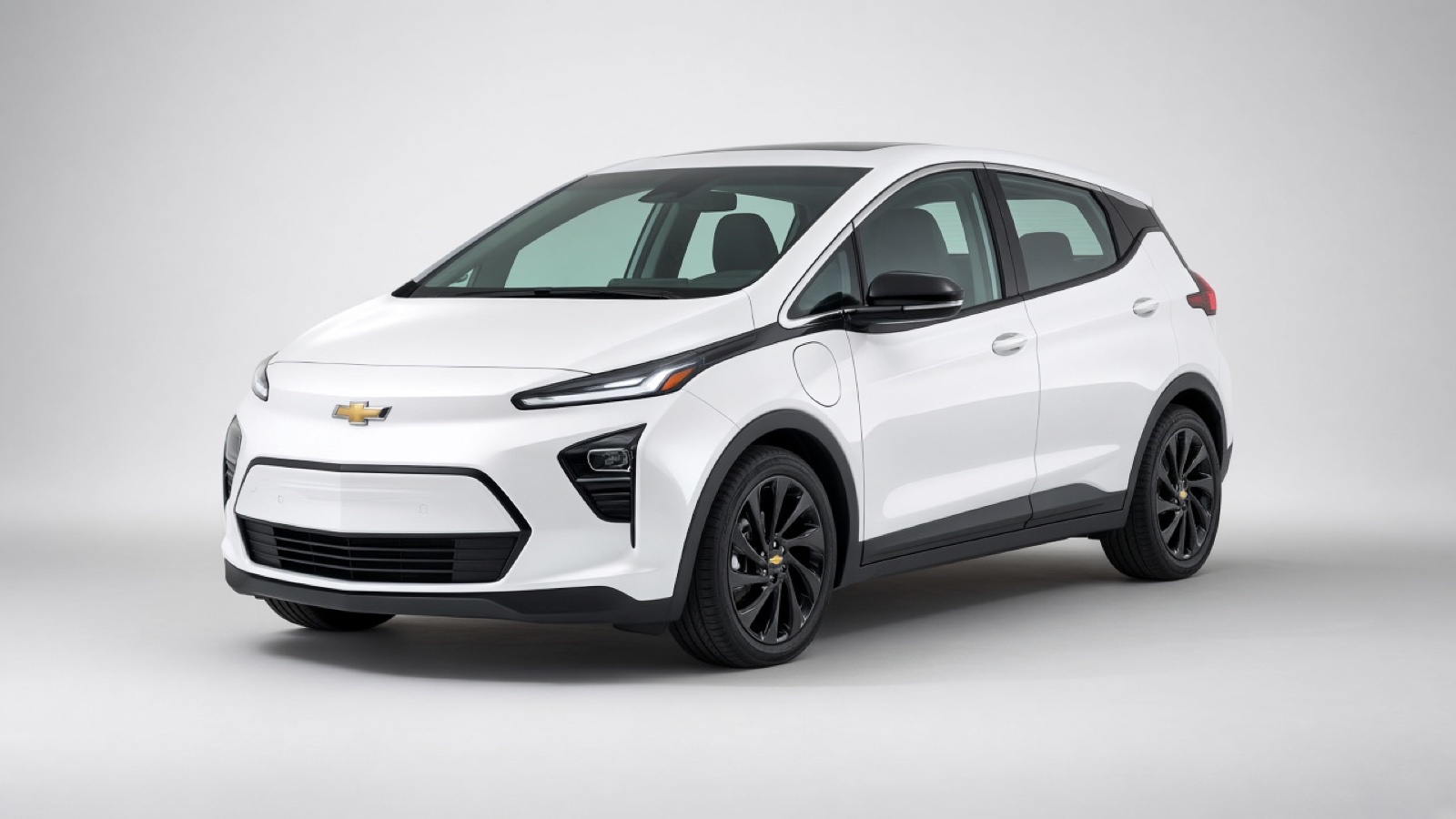
The lowest price barrier among new, street-legal, highway-rated electric passenger cars in the United States belongs to the 2027 Chevrolet Bolt EV at a starting MSRP of $28,995.
General Motors revived the Bolt nameplate on its modular Ultium platform, ditching the complex cobalt chemistries of the past for cost-efficient lithium iron phosphate (LFP) prismatic cells. That engineering shift allows GM to deliver an EPA-estimated 262 miles of range while eliminating the old thermal vulnerabilities.
Crucially, the 2027 Bolt includes a factory-installed NACS charge port, allowing owners to plug directly into the nationwide Tesla Supercharger network without aftermarket adapters. While it remains a subcompact hatchback with modest cargo space behind the second row, the Bolt serves as the cheapest EV in the USA for urban commuters who need an economical runabout that charges for pennies per mile at home.
Step 2 ($31,535): 2026 Nissan Leaf S+ delivers 300 miles of range under $32k
For drivers whose weekly mileage extends beyond the metro core, spending an additional $2,540 unlocks the best range-per-dollar ratio in the entire automotive market: the 2026 Nissan Leaf S+ at $31,535.
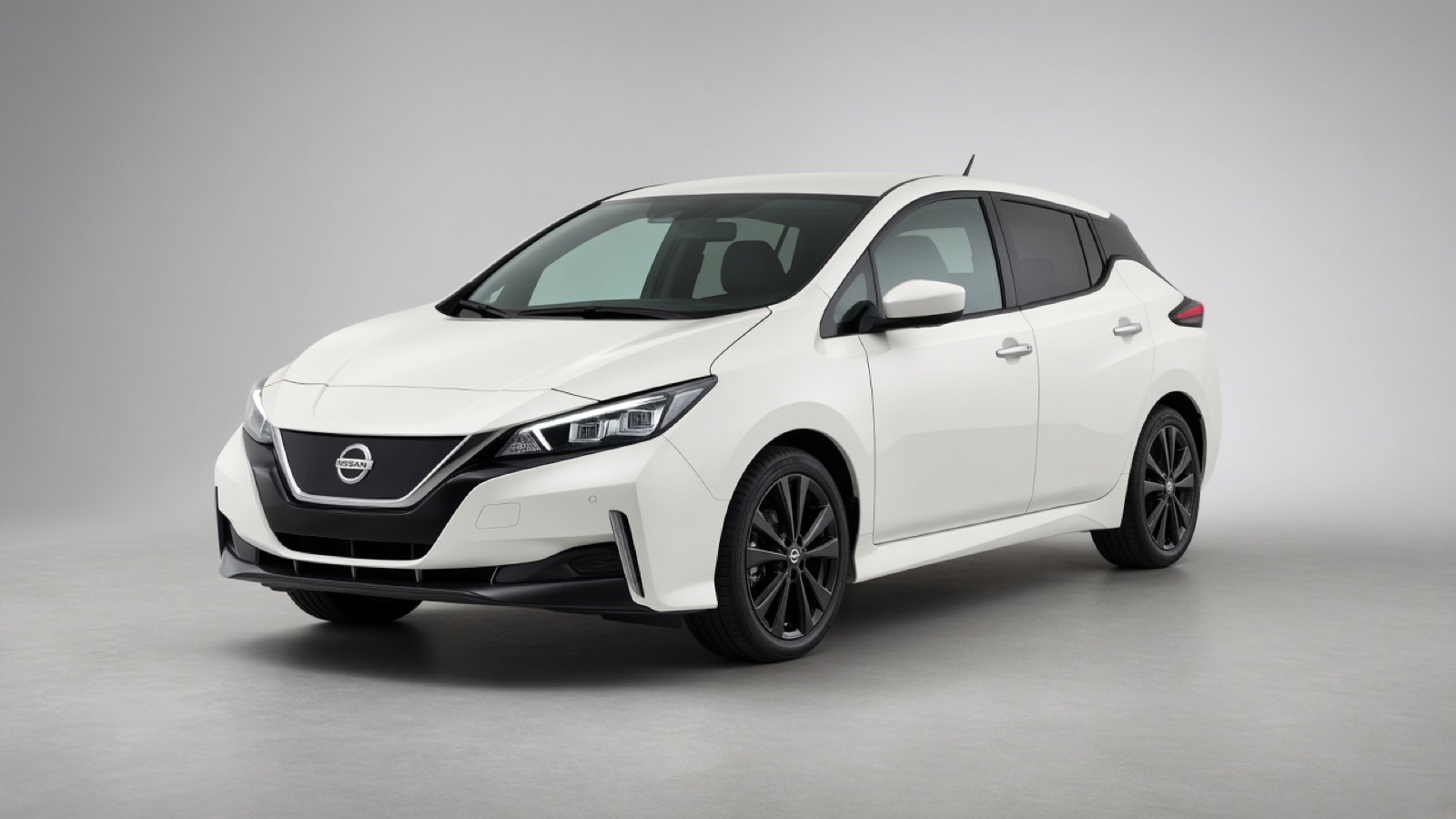
Nissan completely redesigned the Leaf on the modern AmpR Medium dedicated EV architecture, fundamentally fixing the weaknesses of earlier generations. Gone is the antiquated CHAdeMO charging plug and the air-cooled battery pack that suffered thermal throttling on long road trips.
The 2026 Leaf S+ integrates a 75 kWh liquid-cooled battery pack, a native NACS port, and an EPA-estimated range of 303 miles. Paying $31,535 for a vehicle that breaches the 300-mile highway threshold represents an unprecedented value, enabling weekend cross-state driving without range anxiety.
Step 3 ($36,795): Stepping up to the compact crossover class with Equinox EV
When a small hatchback or low-slung compact cannot fit a family stroller, child safety seats, and weekend sports gear, the most practical crossover choice at this budget is the $36,795 Chevrolet Equinox EV.
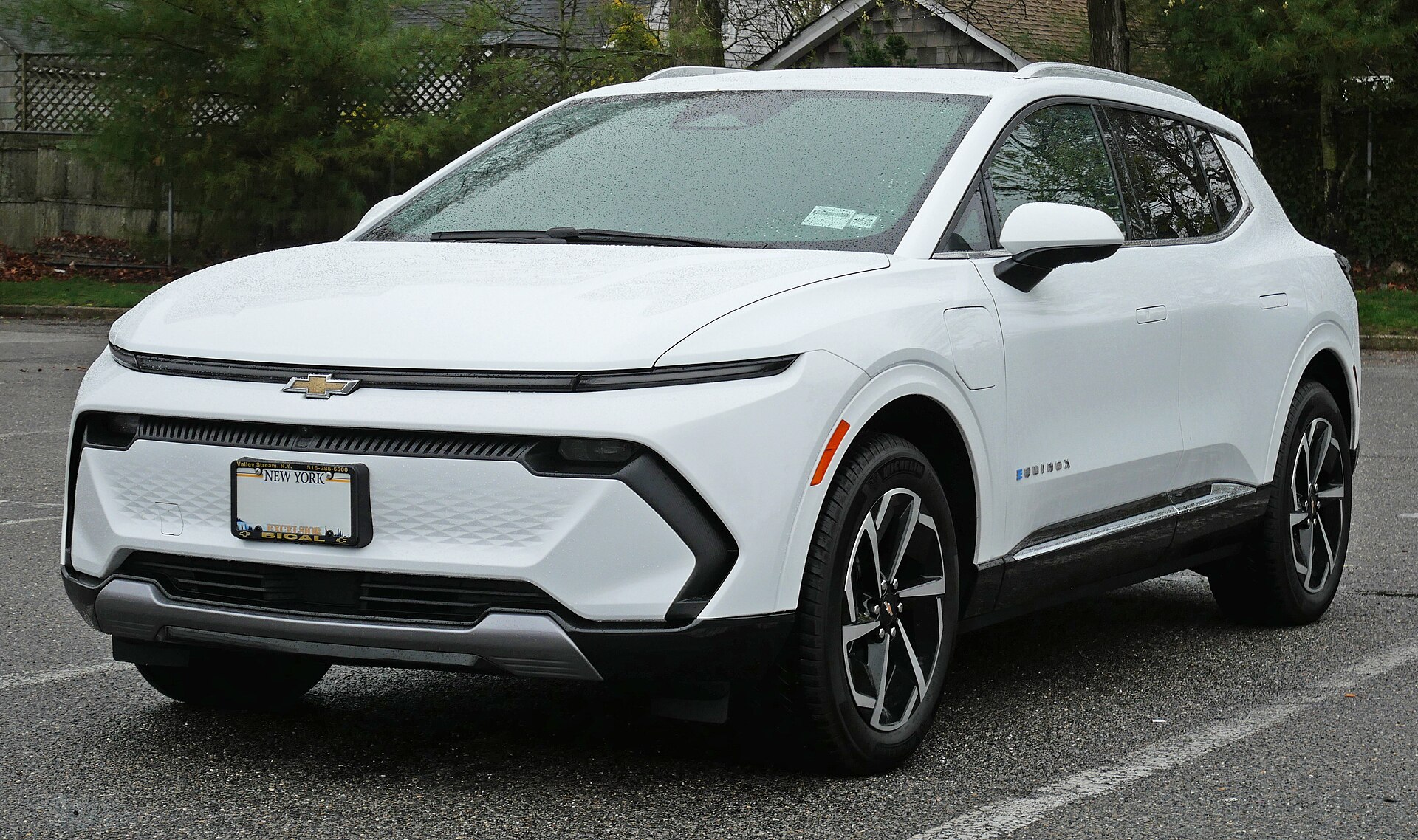
At an official starting MSRP of $36,795 for the 1LT front-wheel-drive trim, the Equinox EV transitions buyers from cramped budget runabouts to a full-sized compact SUV. Built on a 116.3-inch wheelbase, it provides 57.2 cubic feet of maximum cargo capacity with the second row folded flat and generous rear legroom for tall passengers.
Powered by an 85 kWh battery pack delivering an EPA-rated 319 miles of range, it incorporates a comprehensive suite of active safety technologies and a standard 17.7-inch infotainment interface. For households that cannot compromise on cabin utility, paying the $5,260 premium over the Leaf is justified by full crossover functionality.
The lease reality check: promotional headlines versus sticker truth
Advertisements promoting monthly lease payments of "$249" or "$299" on vehicles like the Tesla Model 3 or Hyundai Ioniq 6 are often pitched as the cheapest way into a new EV.
Reading the fine print reveals why promotional lease numbers can be deceptive:
- Capitalized Cost Reductions: Those headline monthly rates routinely require between $3,999 and $4,499 due at signing, plus dealer doc fees and acquisition charges.
- True Monthly Outlay: Amortizing $4,200 of upfront fees across a standard 36-month lease adds $116 per month, elevating your true out-of-pocket cost to $365–$415 each month.
- Zero Asset Equity: Leases typically cap driving at 10,000 miles per year and subject the driver to end-of-term excess wear charges, leaving you with zero trade-in equity after three years.
Unless your driving is strictly limited to low suburban mileage and you intend to swap vehicles every 36 months, purchasing a $28,995 Bolt or a $31,535 Leaf outright remains the more predictable financial decision over a five-to-seven-year ownership cycle.
Which affordable EV matches your household?
The decision across these three budget steps comes down to passenger count, cargo demand, and road-trip frequency:
- Choose the 2027 Bolt ($28,995) if you need an ultra-low-cost daily commuter or second family car and charge primarily via a 240V Level 2 outlet in your garage.
- Choose the 2026 Nissan Leaf S+ ($31,535) if you frequently drive over 150 miles in a single day and prioritize maximum highway range per dollar over elevated SUV ground clearance.
- Choose the Chevrolet Equinox EV ($36,795) if this will serve as your household's primary vehicle and you require the interior volume, ride height, and cargo space of a genuine crossover.
By matching your purchase to these proven options, you ensure that every extra dollar buys tangible range or cabin space rather than marketing hype.