
Summary
Bundeswehr sites now apply local rules on connected Chinese cars, separating vehicle access limits from a confirmed ban on Chinese-made training drones.
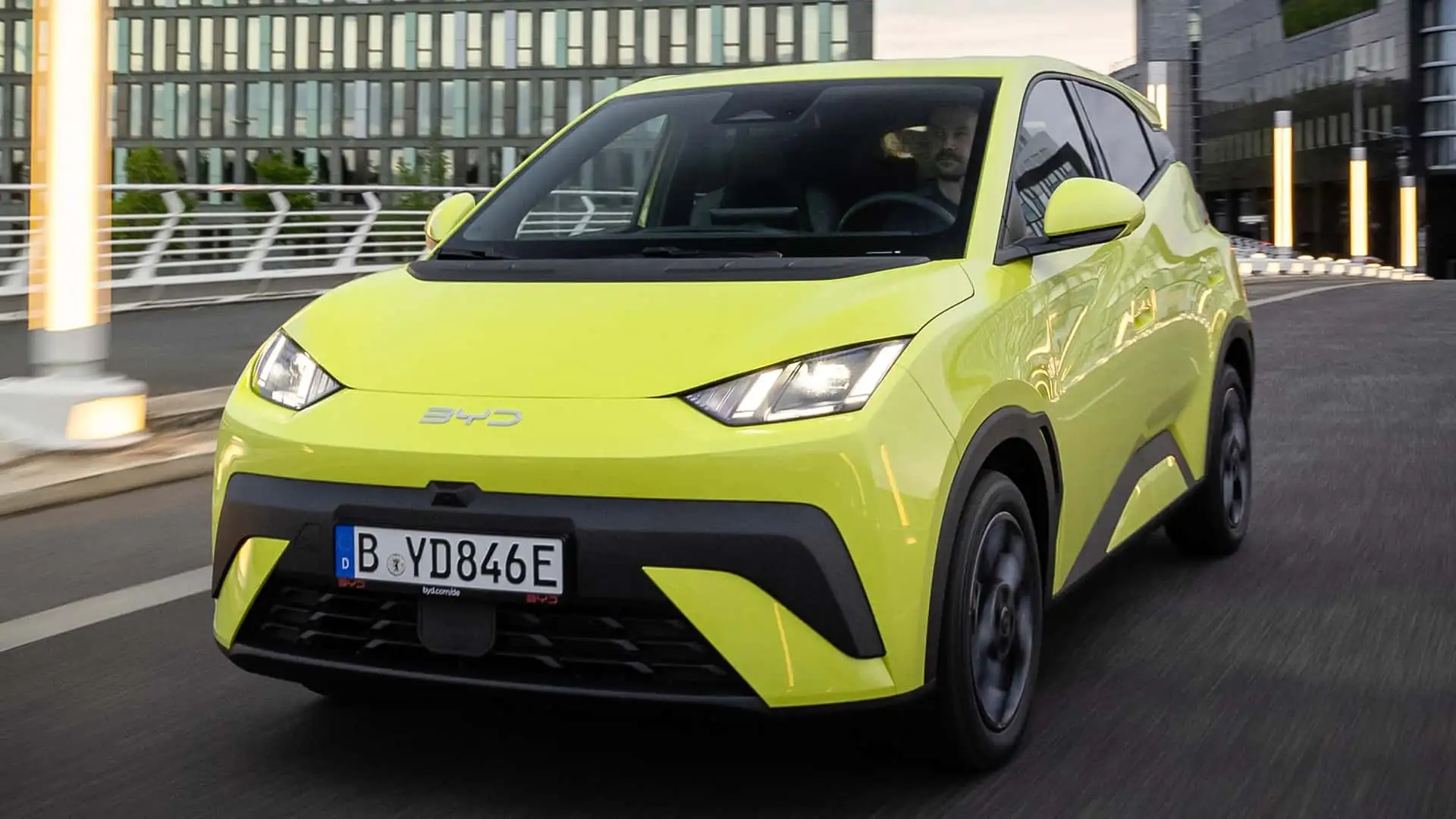
Germany's armed forces have drawn a line at the gate. Some Chinese-made cars from BYD, Nio and Geely now get stopped before they reach sensitive Bundeswehr sites, over what their cameras and sensors might record.
The defense ministry says the restriction applies to connected vehicles broadly. It isn't aimed at a named list of brands or countries.
Soldiers driving an affected car must park outside and walk in. As reported by Bloomberg, people familiar with a nonpublic counterintelligence assessment said Germany barred certain vehicles from bases because their signals could potentially collect and pass on data.
Der Spiegel had reported two days earlier that lists circulating inside the Bundeswehr name specific Chinese models barred from facilities classified as security areas. Which Bundeswehr Sites Turn Chinese Cars Away?
Geely E5 Photo by: Geely Defense ministry spokesperson Mitko Müller told a government press conference on November 11 that local security officers set the actual access rules, site by site. A connected car might be kept out of one restricted zone while still parking in a lot farther from sensitive buildings.
That local discretion means there's no single published list of banned models. Officials haven't confirmed whether brands beyond BYD, Nio and Geely are involved.
Geely's German footprint runs wider than its own badge, through Volvo, Polestar, Lynk & Co, Zeekr, Lotus and its joint ownership of Smart with Mercedes-Benz. Stuttgarter Zeitung reported that no publicly substantiated evidence shows any of these cars sent Bundeswehr data to Chinese intelligence services.
The entry limits are described as precautionary. Germany isn't alone here.
Poland restricted Chinese-made vehicles at military facilities in February, covering any car able to record location, video or sound unless those functions are switched off. The push toward a permanent ban on Chinese connected vehicles has been building across several Western governments.
Why Cameras And Radar Trigger A Security Review 2023 Zeekr X Photo by: Zeekr The ministry named cameras, microphones, radar and ultrasonic sensors as the specific equipment behind the concern. All of it is designed to gather data about a car's surroundings for parking assist or driver monitoring.
Near a barracks, that same hardware could map layouts, routines and equipment. This isn't only about EVs.
The restrictions apply to any connected car carrying that sensor suite, regardless of powertrain or country of origin. That's also why European scrutiny of BYD has widened beyond a single automaker.
The vehicle restriction sits apart from a separate, already confirmed decision. The Bundeswehr will stop using Chinese-made drones for training and replace them with German or other European models.
The policy covers future training and exercises. Other governments have moved on similar grounds.
The pricing pressure from Chinese EVs in Europe has already reshaped the competitive conversation. In October, the US military barred privately owned BYD vehicles from entering Kadena Air Base in Okinawa, Japan, citing security risks tied to the same sensor categories.
More About China: Court Orders JLR To Destroy Seized Files In BYD Dispute Polestar Can’t Sell Cars In The US Anymore Tensions between nations could lead to software risks in Chinese cars BYD Is The World's Biggest EV Maker. So Why Can't You Buy One In The US?