
Summary
Vauxhall has passed the 100,000-unit milestone for battery-electric vehicle sales in the UK, marking a major achievement in the automaker’s electrification strategy. The British brand has now sold more than 102,800 fully electric vehicles, highlighting the gr…
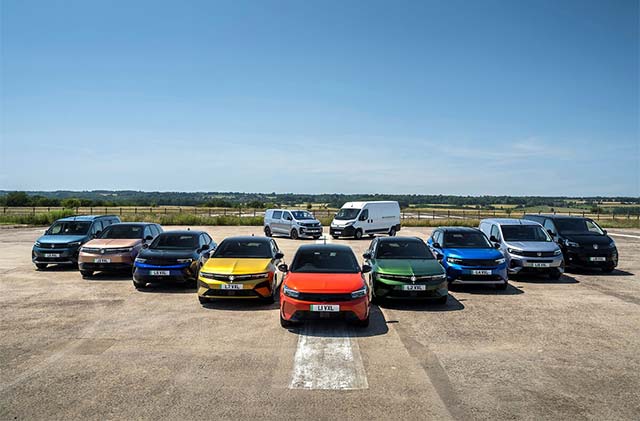
Vauxhall has passed the 100,000-unit milestone for battery-electric vehicle sales in the UK, marking a major achievement in the automaker’s electrification strategy. The British brand has now sold more than 102,800 fully electric vehicles, highlighting the growing demand for its electric car and van lineup.
The milestone comes as Vauxhall continues expanding its EV portfolio, making electric mobility more accessible through competitive pricing, new models, and initiatives aimed at improving the UK’s charging infrastructure.
The 100,000th electric vehicle sold was a Vauxhall Grandland Electric 213PS Ultimate, delivered by Drive Vauxhall Nuneaton. The Grandland has also received positive recognition, finishing third overall in the 2026 Auto Express Driver Power reliability survey and taking the top position in the mid-size SUV category.
According to Vauxhall, total UK battery-electric vehicle sales reached 102,852 units as of October 2026.
Vauxhall’s progress reflects a significant increase in customer demand over the past few years. The company reached 10,000 electric vehicle sales in 2021 before passing the 50,000 mark in 2023.
Reaching more than 100,000 sales in 2026 represents another important step for the brand as electric vehicles become an increasingly important part of the British automotive market.
The company has positioned itself as one of the early adopters of electrification in the UK, particularly in the commercial vehicle segment. Since 2021, Vauxhall has offered a fully electric version of every van in its lineup.
The automaker was also Britain’s best-selling electric van manufacturer for three consecutive years, from 2021 through 2023.
Another important part of its strategy is domestic manufacturing. The Vauxhall Combo Electric is produced at Ellesmere Port, which became the UK’s first EV-only volume manufacturing plant.
From the Ampera to Today’s Electric Car Lineup
Vauxhall’s electric vehicle history dates back to 2011, when the company introduced the Ampera. Featuring innovative range-extender technology, the Ampera was one of the first vehicles of its kind available in Europe.
The next major step came in 2019 with the introduction of the Corsa-e, Vauxhall’s first modern mass-market electric car.
The original model featured a 50kWh battery and a 136hp electric motor, delivering a WLTP-rated driving range of up to 209 miles.
The latest Corsa Electric represents a considerable improvement. It is available with a 51kWh battery and a 156hp electric motor, increasing its maximum WLTP range to 265 miles.
Vauxhall continued expanding its electric lineup, reaching another important milestone in 2024 when it fulfilled its commitment to offer an electric version of every passenger car model in its range.
Vauxhall Focuses on Making Electric Cars More Affordable
One of Vauxhall’s key strategies has been reducing the price difference between electric vehicles and their combustion-engine counterparts.
The introduction of the Frontera Electric and Frontera Hybrid was particularly significant. Both versions launched with the same list price, removing the traditional price premium often associated with choosing an electric vehicle.
The New Astra followed a similar approach, with electrified versions sharing the same on-the-road pricing across trim levels.
The availability of the UK Electric Car Grant makes the proposition even more attractive.
With the grant applied, the Astra Electric can cost less than the hybrid and plug-in hybrid alternatives.
This pricing strategy could help Vauxhall attract more buyers who are interested in switching to electric driving but remain concerned about the initial purchase price.
Mokka Electric and Corsa Electric Lead Vauxhall’s EV Sales
Although Vauxhall now offers a growing selection of battery-electric vehicles, two models account for a significant share of its electric car sales.
The Mokka Electric remains the brand’s best-selling electric passenger car, with more than 26,000 units sold since its introduction in 2020.
The Corsa Electric follows closely, recording more than 23,000 sales since its launch in the same year.
Vauxhall is also expanding its performance-oriented electric lineup. The introduction of the Mokka GSE and Corsa GSE brings high-performance versions to the range, with both models positioned as the fastest electric production cars the brand has ever built.
These additions demonstrate that Vauxhall’s electrification strategy is no longer focused exclusively on practical and affordable transportation. Performance and driving enjoyment are also becoming part of its electric vehicle offering.
Electric Streets of Britain Campaign Supports Charging Infrastructure
Beyond launching new electric vehicles, Vauxhall is also working to address one of the biggest challenges facing EV adoption in the UK: access to convenient charging.
In 2023, the company introduced its Electric Streets of Britain campaign, encouraging drivers to register streets where they believe public on-street charging infrastructure is needed.
The initiative aims to identify areas with strong demand for residential charging, particularly among drivers who do not have access to private driveways or home charging installations.
Since its launch, more than 13,000 streets across the UK have been registered as needing on-street charging points.
Vauxhall has shared the collected information with charging infrastructure providers char.gy, Connected Kerb, and Kerbo Charge to help guide future charging network expansion.
The initiative highlights the importance of improving charging accessibility alongside increasing the availability of electric vehicles.