
Summary
Tesla brought home power backup to America. In Australia, an update is switching it off. North American owners just got Powershare with Powerwall. Australian owners of existing Teslas got a software update that appears to block the third-party gear they use t…
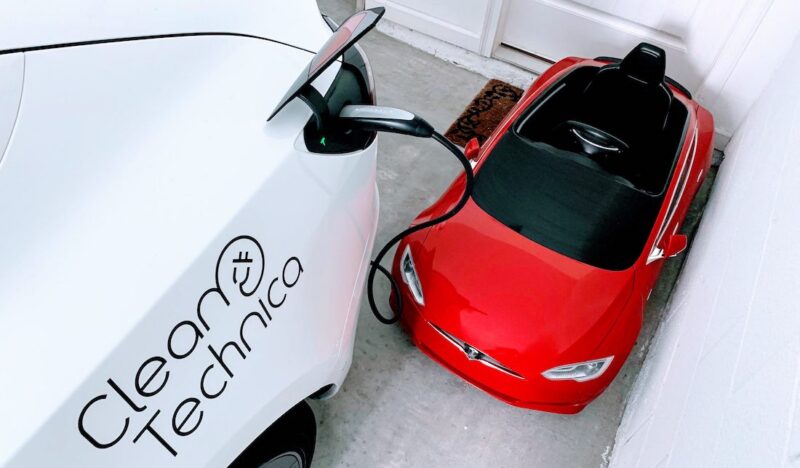
Tesla brought home power backup to America. In Australia, an update is switching it off. North American owners just got Powershare with Powerwall. Australian owners of existing Teslas got a software update that appears to block the third-party gear they use to power their homes. It is a test case for who really controls the battery in your driveway.
By Mark Purcell, Noosa Heads, Australia.
Mark Purcell is an electrical engineer and energy advocate based in Noosa Heads, Queensland, Australia. He owns two Teslas and a bidirectional DC charger, and has been a member of the Australian Electric Vehicle Association since 2022. He has contributed content to CleanTechnica previously.
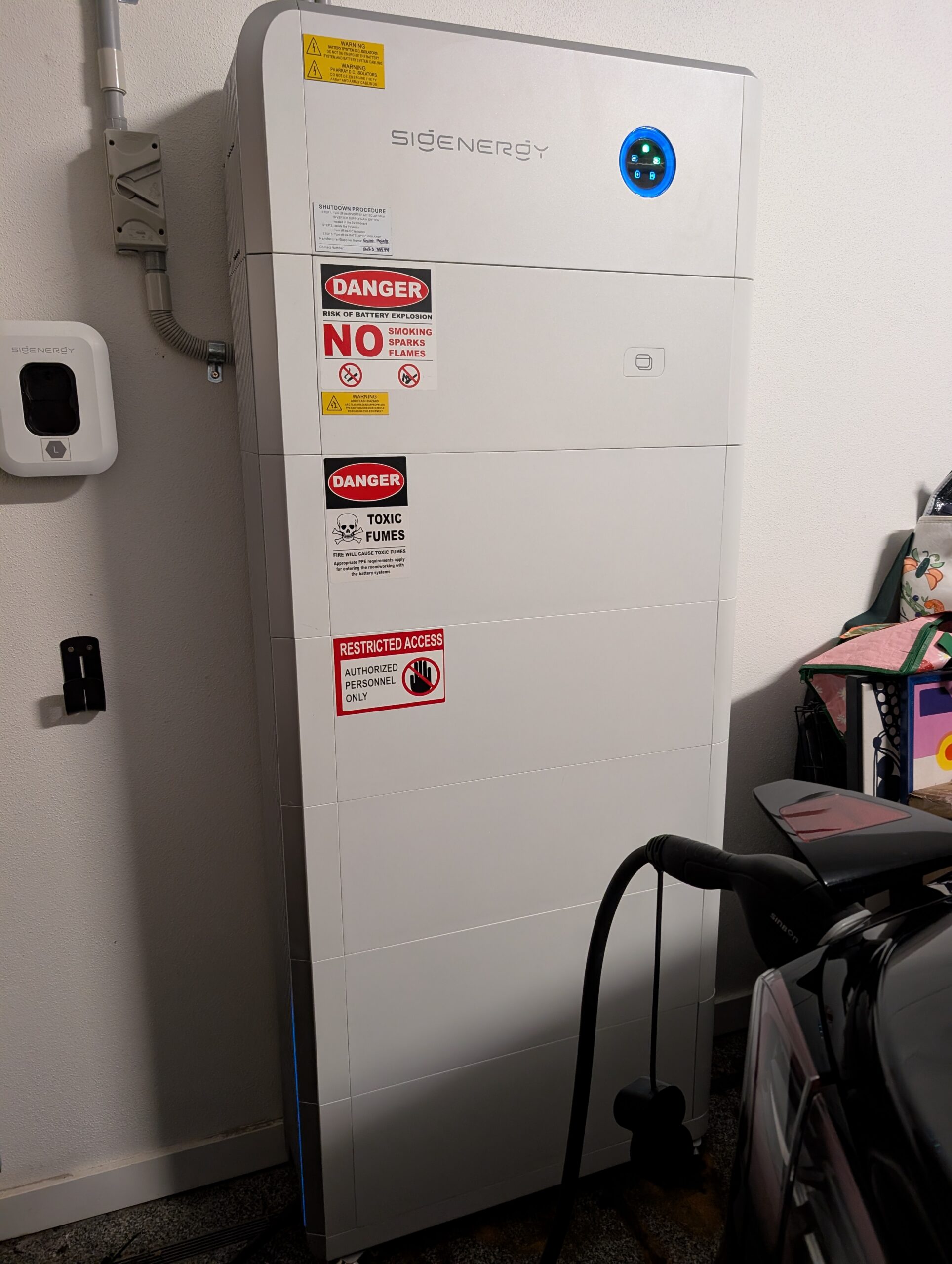
On 12 October, my Model Y ran my house. Through a Sigenergy bidirectional DC charger in my garage on Australia’s Sunshine Coast, it supplied about 25 kW to my home. The battery in my driveway holds several times the energy of a typical home battery, and I have already paid for it.
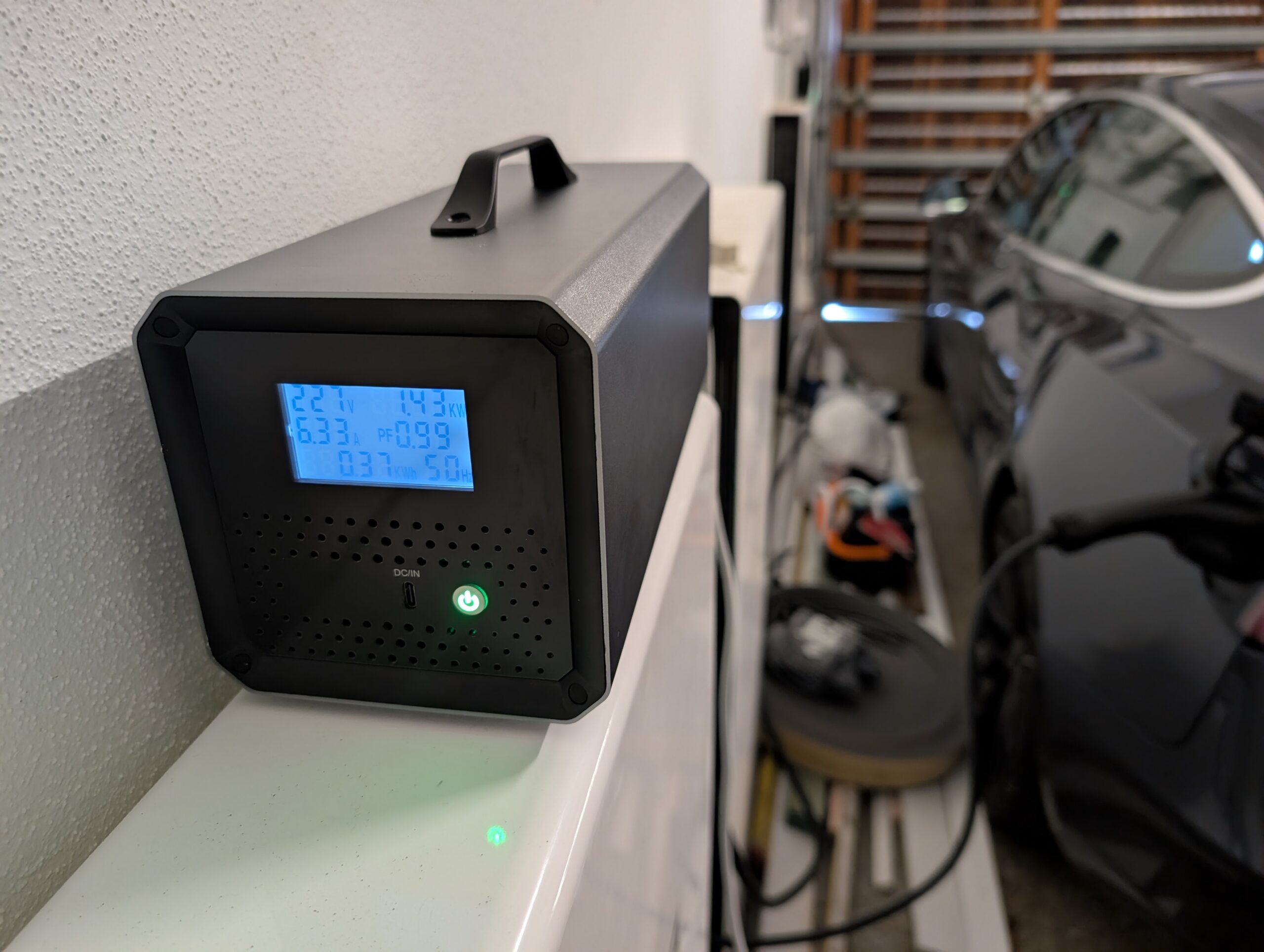
That may not last. Owners in several countries report that Tesla software from the 2026.38 branch, rolling out since October, cuts third-party discharge within minutes.
On the Tesla Motors Club forum, owners describe power stopping after about three minutes with a battery management alert, or after 15 to 20 minutes whatever the load. The old Camp Mode and Service Mode workarounds no longer help.
Drive Tesla Canada has covered the reports. EleJoy, Tlyard and Sigenergy users are all affected, and Tlyard now warns customers that Tesla’s 2026 software detects “simulated charging” and may cut the power link.
The release notes? “Security improvements” and minor fixes. Nothing about switching off a function owners use every day.
Two countries, one software branch
Here is the part that should interest readers everywhere. The same 2026.38 branch delivered Powershare with Powerwall home backup to owners in the US and Canada. That is a good thing. Tesla has finally joined Ford, GM, and Kia in letting the car back up the house.
Australia did not get it. Tesla Australia has said Powershare cannot be retrofitted to existing vehicles, and here Powershare is vehicle-to-load only. So, for every existing Tesla on Australian roads, third-party equipment is the only way to put the car to work for the home. If the software now blocks that equipment, Australian owners are left with nothing: not Tesla’s solution, and not anyone else’s.
The warranty line
The Tesla Australia owner’s manual says: “Do not use the Battery as a stationary power source. Doing so voids the warranty.” Tesla’s own Australian warranty page is narrower. It excludes damage caused by third-party adaptors or chargers, not the whole warranty.
Australian law is narrower again. Under the Australian Consumer Law, statutory consumer guarantees cannot be signed away by a line in a manual. Apple found this out when the Federal Court ordered A$9 million in penalties over the “Error 53” affair, after Apple told customers that third-party repairs had cost them their rights. American readers will recognise the shape of this argument from the right-to-repair fight.
Why this matters beyond Tesla
Australia is a world leader in rooftop solar and is now subsidising home batteries at scale. The next step is obvious: the biggest battery most households will ever own is already parked outside. Bidirectional charging is how that capacity reaches the home and, in time, the grid.
That whole idea depends on interoperability. If one carmaker can switch off discharge overnight, through an over-the-air update the owner cannot roll back, and without saying so, then every bidirectional charger is a bet on that carmaker’s goodwill. Chargers bought in good faith become stranded. Competing suppliers lose access to the fleet. Grid operators lose flexibility they are counting on.
The ACCC, Australia’s competition and consumer regulator, has already named “denying interoperability” as conduct that can distort competition in digital platform markets. A car that decides which charger it will talk to is a platform in all but name.
What I have done
I am deferring Tesla updates on both my cars, so I am also missing whatever genuine fixes they contain. I have asked Tesla in writing to hold updates until it confirms discharge will keep working. I have lodged a complaint with the ACCC under Australia’s competition and consumer laws. I have also asked the Australian Electric Vehicle Association, the national voice of EV users, to back it.
Tesla may have a real safety or engineering reason. If so, it should say what it is, and show why a less restrictive answer would not work: certified partner equipment, discharge limits, or a published interface that charger makers can build to.
What should happen next
Three things, and they apply well beyond Australia. Carmakers should disclose functional changes in plain language before they ship. Owners should be free to use the bidirectional charger of their choice. And regulators should set interoperability rules for vehicle discharge, as many already do for solar inverters. If we can make inverters speak a common language, we can stop cars locking out the chargers they plug into.
My car still powers my house. It does so only because I have stopped it updating. No owner, in any country, should have to choose between a current car and a working home battery.
“I am looking forward to the discussions around this topic,” David Waterworth, who helped get this article published, adds.
CleanTechnica's Comment Policy
Share this story!
- Share on LinkedIn (Opens in new window) LinkedIn
- Share on WhatsApp (Opens in new window) WhatsApp
- Share on Facebook (Opens in new window) Facebook
- Share on Bluesky (Opens in new window) Bluesky
- Email a link to a friend (Opens in new window) Email
- Share on Reddit (Opens in new window) Reddit