
Summary
Following the expiration of the federal EV tax credit, American electric vehicle…
Following the expiration of the federal EV tax credit, American electric vehicle demand did not disappear; it consolidated around three unambiguous price thresholds where manufacturers deliver verified range per dollar: $29,000, $37,000, and $40,000.
Retail registration data across the United States in 2026 confirms that over 70% of pure electric sales now cluster within these three distinct pricing bands. Without point-of-sale federal discounts to mask uncompetitive window stickers, automakers were forced to engineer vehicles that survive on their raw mechanical merit.
For American buyers evaluating the best EV cars in 2026, the market has moved beyond unfulfilled promises of sub-$25,000 models; adoption is now driven by proven volume leaders across three distinct financial tiers.
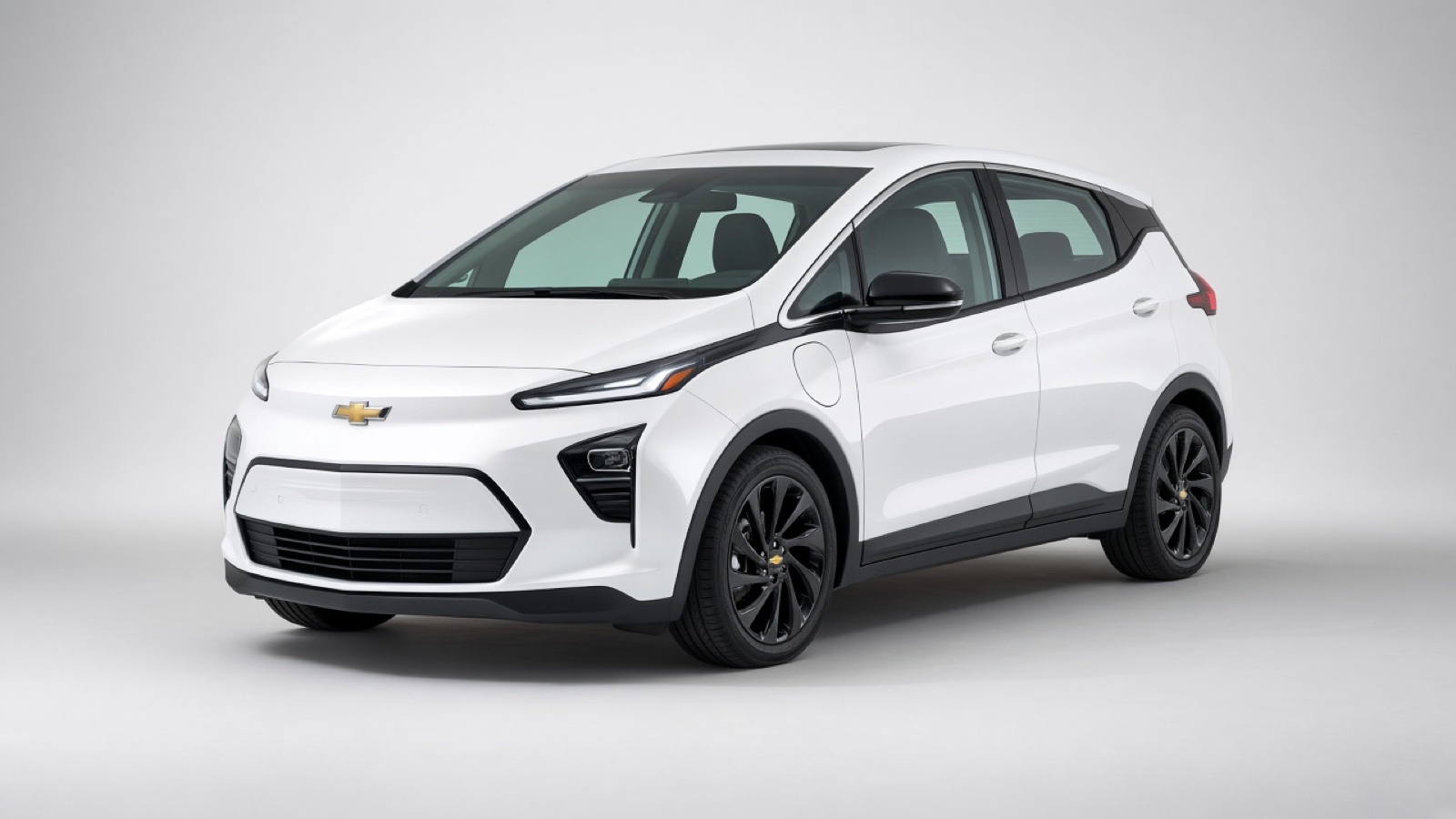
The sub-$30k floor: 2027 Chevrolet Bolt EV sets the entry volume standard
The lowest barrier to entry among modern, highway-capable electric vehicles is anchored at $28,995 by the redesigned 2027 Chevrolet Bolt EV.
Unlike earlier compliance models that sacrificed highway charging speeds or cabin comfort, the new Bolt is engineered on General Motors' modular Ultium architecture using lithium iron phosphate (LFP) chemistry. Priced with an official starting MSRP of $28,995, it delivers an EPA-estimated range of 262 miles and comes standard with a native NACS charge port, granting direct access to Tesla Superchargers without dongles or adapters.
The use of LFP cells allows owners to charge to 100% daily without accelerated battery degradation. For metropolitan commuters who need a dedicated, low-operating-cost runabout, the Bolt EV stands as the cheapest legitimate entry point in the American market.
The $37k family crossover sweet spot: Equinox EV and Hyundai Ioniq 5
Stepping up to the $37,000 bracket purchases genuine compact SUV utility, over 300 miles of highway range, and family-sized cargo space.
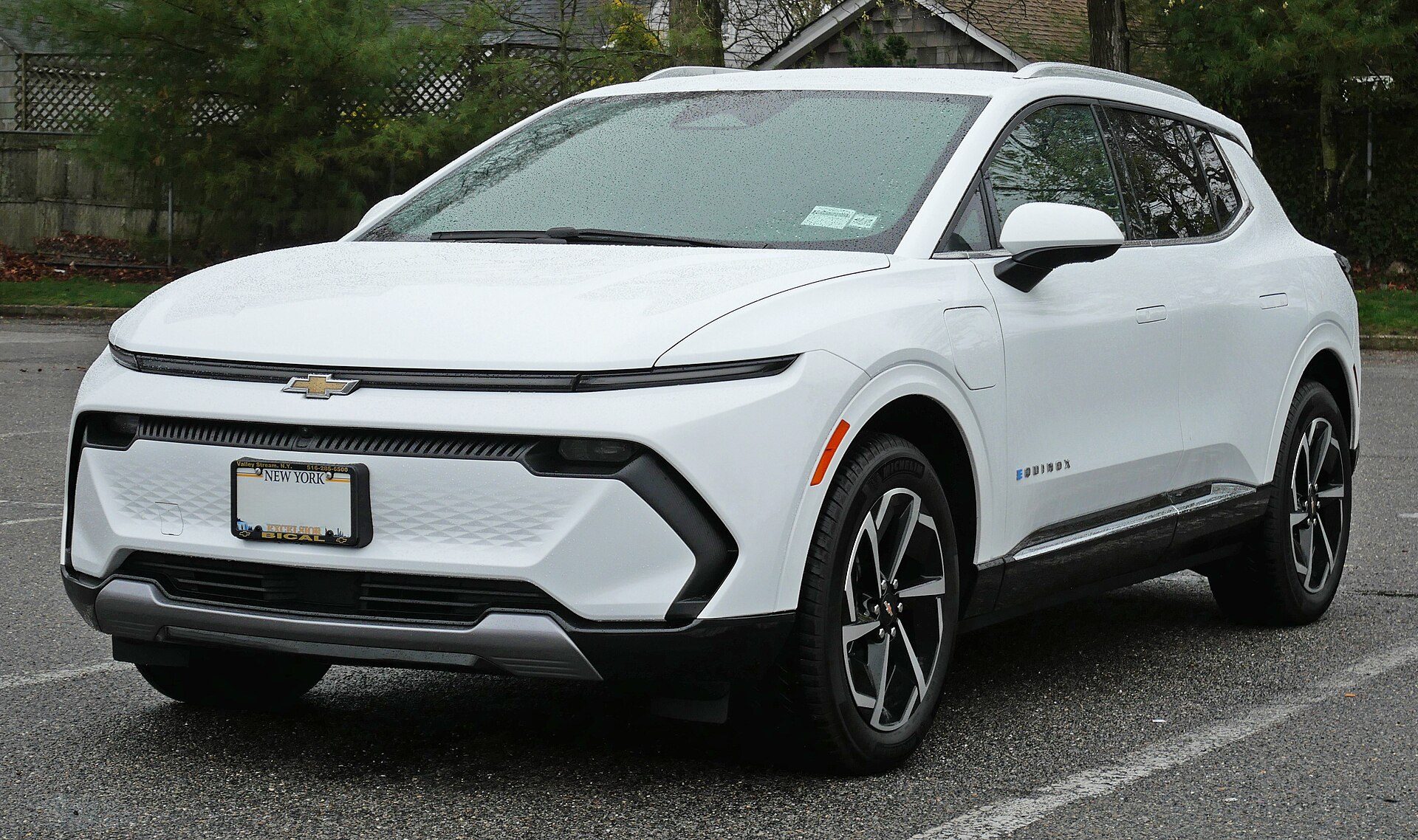
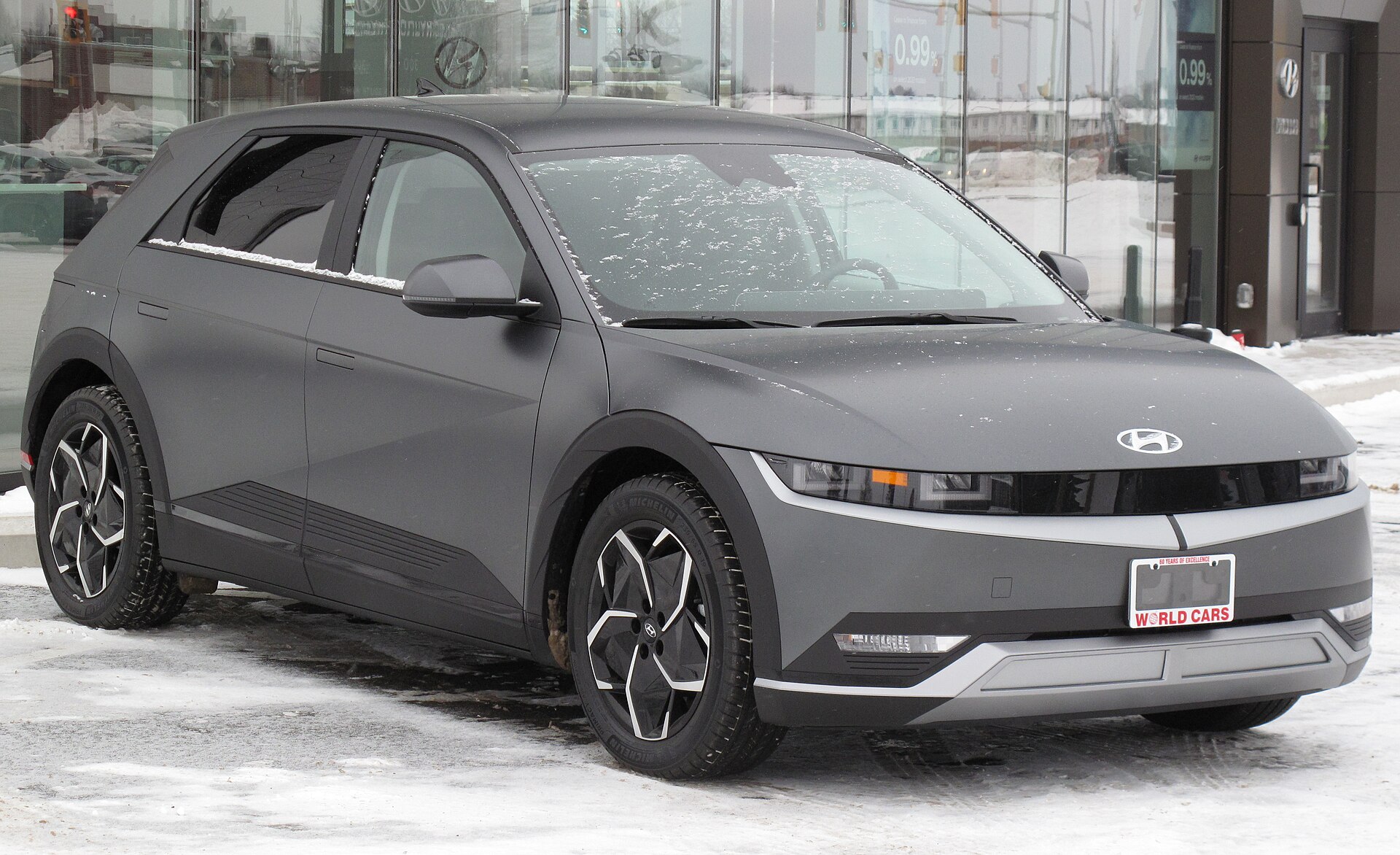
In this central volume tier, two vehicles dominate buyer consideration: the Chevrolet Equinox EV and the Hyundai Ioniq 5. The Equinox EV 1LT carries a starting MSRP of $36,795, providing an EPA-estimated 319 miles of range and 57.2 cubic feet of maximum cargo capacity.
It represents the transition from a cramped compact commuter to a primary family vehicle capable of cross-state travel. Alongside it, the Hyundai Ioniq 5 (starting around $38,800 for base configurations) leverages an 800-volt electrical architecture that charges from 10% to 80% in 18 minutes on 350 kW DC fast chargers.
For households replacing an internal-combustion compact SUV, this $37,000 price point delivers the optimal balance of cabin volume and road-trip endurance.
The $40k+ benchmark tier: Tesla Model 3 and Model Y maintain delivery scale
Above $40,000 sits the established sales benchmark: Tesla's Model 3 sedan and Model Y crossover continue to post the highest aggregate delivery numbers in North America.
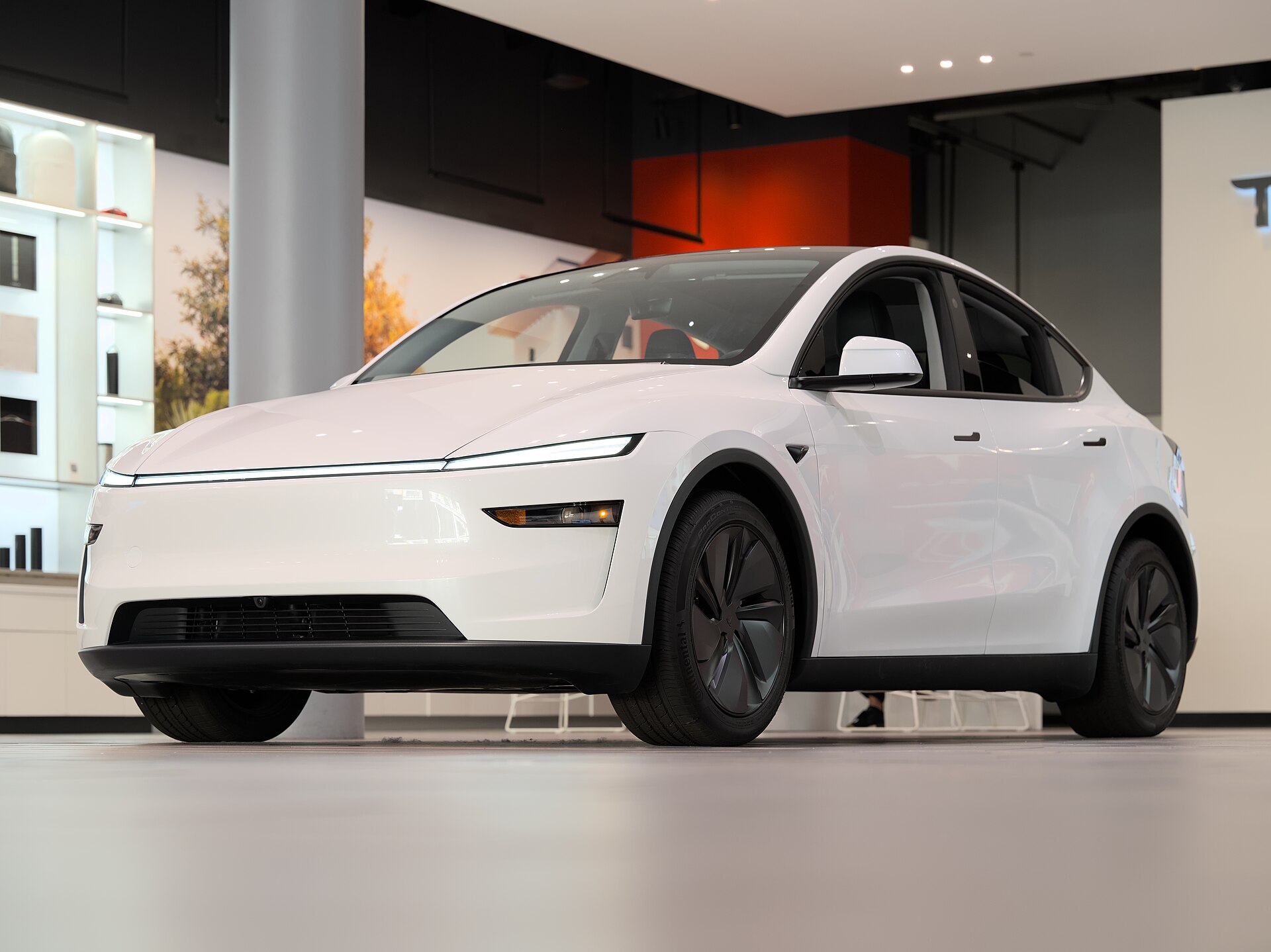
Starting at $38,630 for the rear-wheel-drive Model 3 and $41,630 for the base Model Y, these vehicles maintain their volume crown through thermal efficiency and charging integration. In real-world highway testing, the Model Y consistently achieves efficiency figures below 15 kWh per 100 miles, outperforming heavier competitors with larger, costlier battery packs.
Combined with more than 2,100 liters of total cargo space and seamless plug-and-charge routing at thousands of Supercharger stalls, Tesla remains the default benchmark against which all $40,000-and-above electric cars are measured.
Global perspective: what volume leaders look like in India
The dynamic of volume concentrating in rigid price brackets is not exclusive to the United States; international markets reflect the same economic discipline at lower price ceilings.
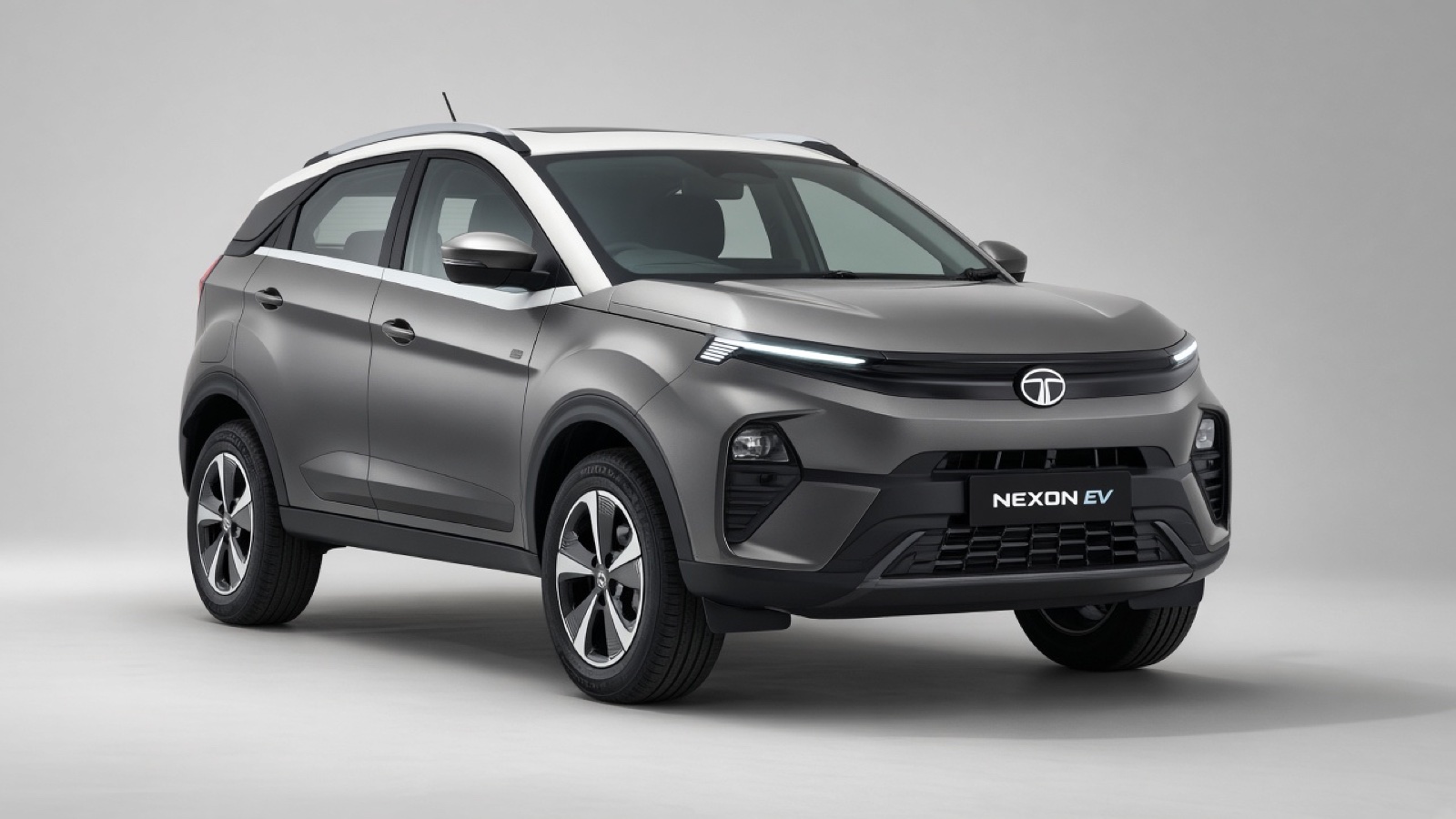
In emerging EV markets such as India, consumer demand has similarly concentrated around two dominant models:
- Tata Nexon EV: Starting at approximately ₹14.49 lakh (roughly $17,400 USD), providing a certified range of 325 to 465 km, capturing the heart of India's personal EV crossover market.
- MG Windsor EV: Leveraging a Battery-as-a-Service (BaaS) ownership model starting at ₹9.99 lakh (roughly $12,000 USD upfront plus a per-kilometer battery rental fee), which dramatically lowered the initial acquisition barrier.
Looking at the best EV cars to buy on a global scale, international markets confirm that mass volume is consistently won by lowering upfront purchase barriers while guaranteeing long-term battery durability.
Matching your budget to real-world driving needs
Choosing between the $29,000, $37,000, and $40,000 price points is resolved by identifying your weekly driving radius and home charging access:
- The $29,000 Tier (Chevrolet Bolt EV): Ideal for urban commuters and multi-car households seeking an affordable second vehicle with minimal depreciation and effortless parking.
- The $37,000 Tier (Equinox EV / Ioniq 5): Designed for single-car families needing full cargo versatility, stroller clearance, and over 300 miles of highway range.
- The $40,000+ Tier (Tesla Model 3 / Model Y): The definitive choice for frequent highway travelers who require maximum charging convenience, high resale liquidity, and class-leading powertrain efficiency.
Aligning your purchase with these proven volume tiers ensures your investment is supported by robust parts availability, verified real-world reliability, and healthy secondary market demand.